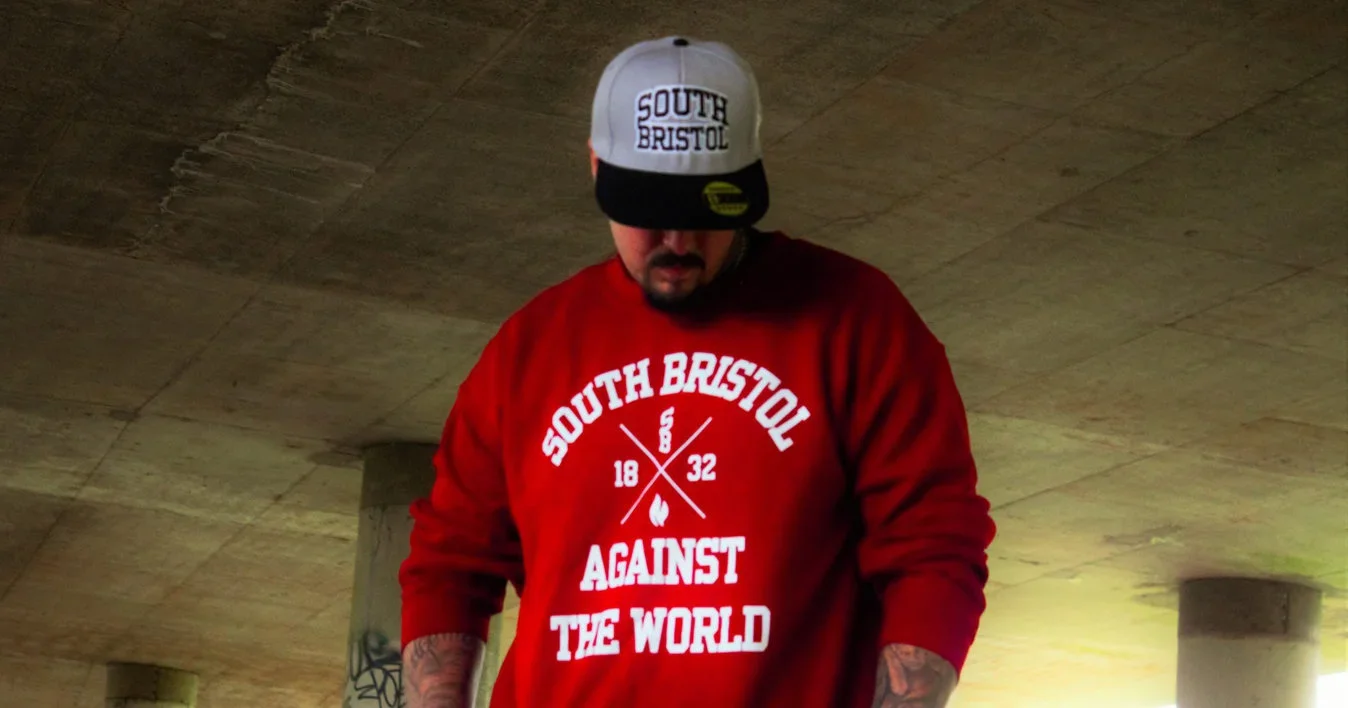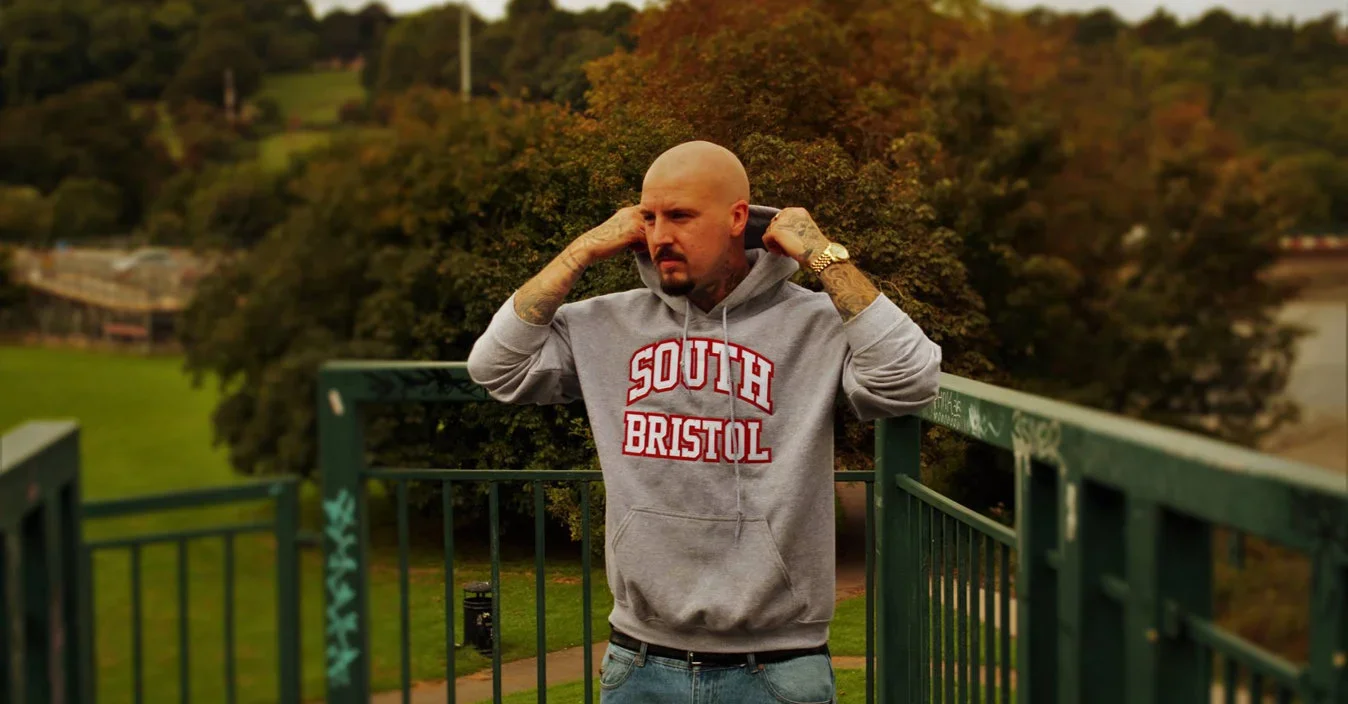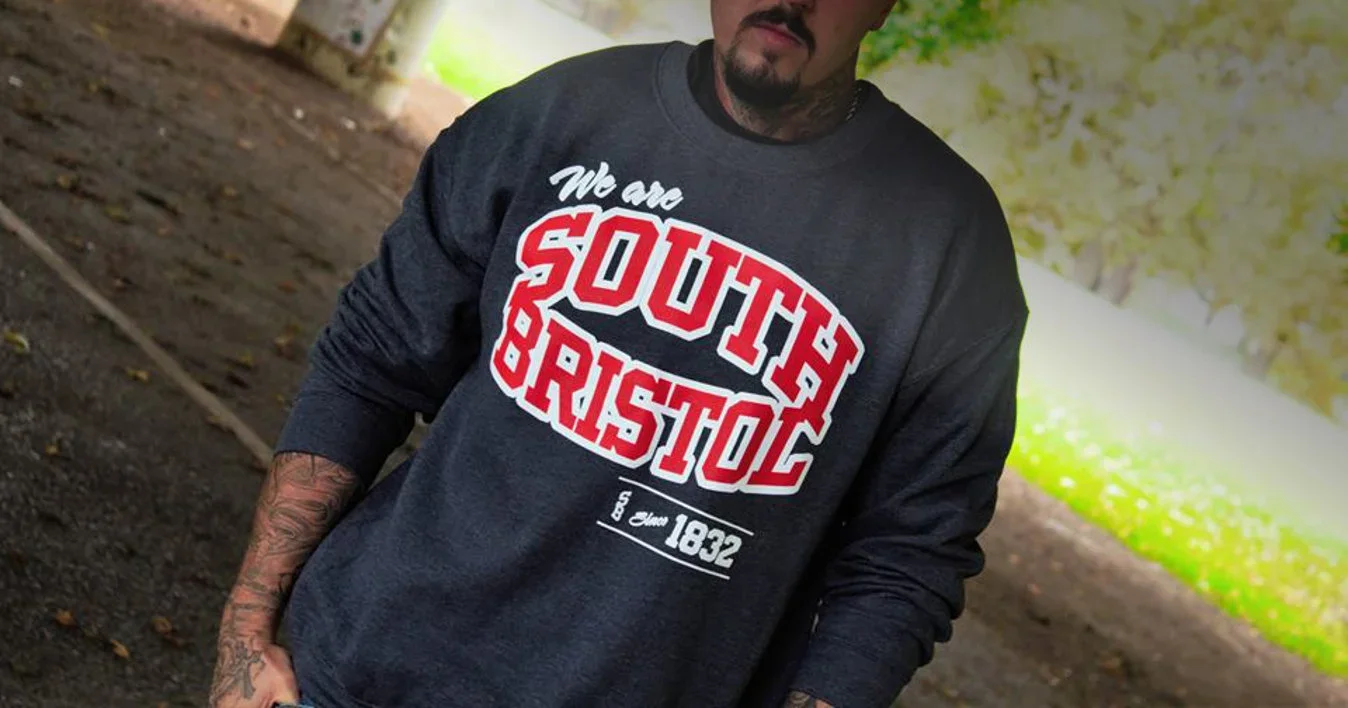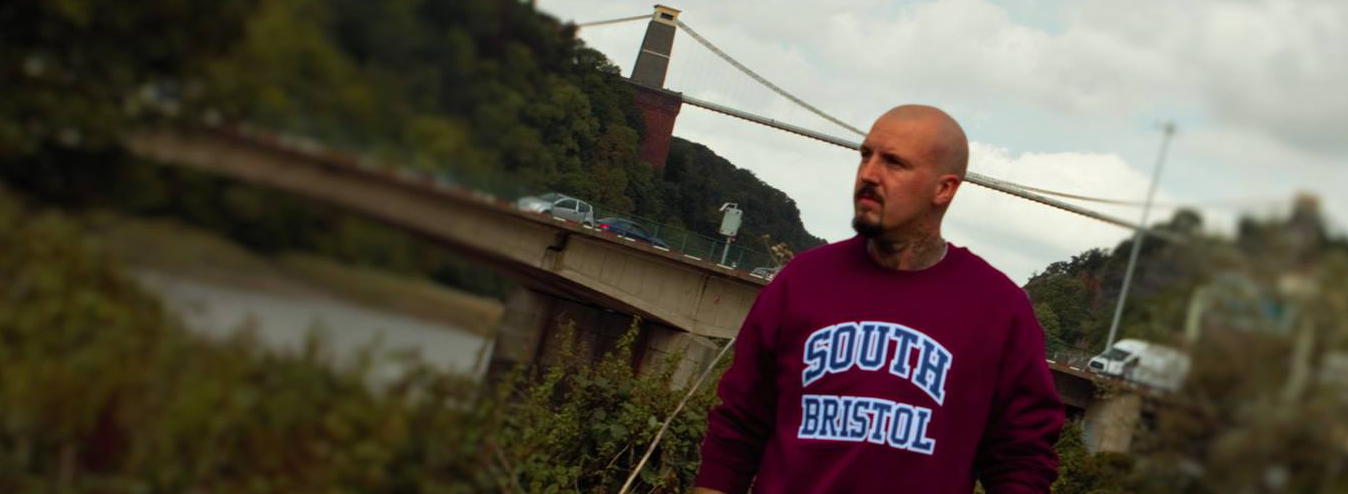
Bristol expanded its city boundaries south of the river in 1832 - a working class area that grew up with the iconic Suspension Bridge behind it.
South Bristol
Origin
Bedminster, in the heart of what is now South Bristol, had its own entry in the Domesday book of 1086. Bristol didn’t. That’s independence for you! Resources and hard work made it a powerhouse of local industry in the 1800s, with mining, smelting, tanning, glue, paint and glass making. In 1832, Bristol reformed its boundaries beyond Redcliffe and the river, to take in the prosperity in North Somerset. South Bristol was born.
History
South Bristol grew from a few thousand people to 80,000 - many in slums - over the 19th century, led by Tobacco and Paper Bag industries. Bedminster was the most heavily bombed part of Bristol in the Second World War. The largest bomb dropped on the city - the two tonne "Satan” - landed in Knowle. South Bristol expanded rapidly with the creation of new and re-built housing estates in inter-war and immediate post-war years.
Contribution
The Wills tobacco industry prosperity in South Bristol funded construction of the city's prestigious Museum & Art Gallery in central Bristol. Bristol's greatest modern day benefactor, John James, was son of a Bedminster dock worker and grew up off Bedminster Parade. South Bristol contributes just a quarter of the population of Bristol, and less than a fifth of the greater Bristol urban area - but a much bigger share of its character.
Television
Only Fools & Horses was filmed extensively around South Bristol, including Nelson Mandela House, the market, the cafe, and pub car park. Oscar-winning animation firm Aardman - with box-office smashes Wallace & Gromit, Chicken Run, Shaun The Sheep - is on Spike Island. Bottle Yard Studios, dubbed “our Hollywood in Hengrove” was used to film Deal or No Deal, The Outlaws, Poldark, Wolf Hall, Hellboy, and Rivals.
Art & Entertainment
A pioneer of Trip Hop, Tricky is from Knowle West estate in South Bristol, and named one of his studio albums after the area. Europe’s biggest street art and graffiti festival, Upfest, was born in BS3 in 2008 and now draws 80,000 visitors and 250 artists to our streets, with art covering buildings year round. Russ Conway, a chart-topping 1950s and 60s musician, was from Southville. Billy Butlin, founder of Butlins, started work in Bedminster.
Sport
Bristol’s most successful football club, Bristol City FC, has always been based in the heart of South Bristol since its formation in 1894. Arthur Milton, from Bedminster, was the last man to play both international football and cricket for England. He played for Arsenal. Bristol’s Rugby Club also play at Bristol City FC’s Ashton Gate stadium. The stadium, holding 27,000, is the largest in the South West.
Transport
As well as building his world famous Suspension Bridge overlooking the area, Brunel’s SS Great Western (the first transatlantic steamship) and SS Great Britain (largest passenger ship in the world) were built in docks south of the river. Bristol’s original airport at Whitchurch was third public airport in the UK and primary international airport in World War II with daily international flights and famous passengers.
Business
South Bristol is home to the world's fourth largest cigarette manufacturer. The area boasts the world's largest producer of hot air balloons - with Europe's largest annual Ballooning event on its doorstep since 1979. Fast growing tech companies such as Bedminster’s FunkyPigeon are from the area. A local businessman laundered £13m through a Bedminster bank from one of the largest robberies in British history.
Records
Bristol was the only UK city named in Lonely Planet’s best 2026 travel destinations. In 2017 it was Rough Guides 4th best city in the world to visit. Having named Bristol best place in the UK to live in 2017 and 2014, the Sunday Times specifically singled out South Bristol neighbourhoods Southville (2019) and Bedminster (2021). In 2016 it also named Totterdown 5th hippest place to live - home to the steepest street in the UK!